


-

Add: HeBei ShengShi HongBang Cellulose Technology CO.,LTD.
-

Email
13180486930@163.com -

CONTACT US
+86 13180486930




Raw Materials for Synthetic Fibers An Overview Synthetic fibers have become an integral part of our daily lives, shaping industries ranging from fashion to automotive. These fibers are made from raw materials that have transformed textiles, offering durability, versatility, and a range of functionalities. To understand the production of synthetic fibers, it is essential to explore the various raw materials involved, the processes of transforming these materials, and their impact on the textile industry and the environment. Types of Raw Materials The production of synthetic fibers primarily relies on petrochemical products derived from crude oil. The two most common types of synthetic fibers are polyesters and polyamides, which are produced from specific raw materials. 1. Polyester The most widely used synthetic fiber, polyester, is typically made from polyethylene terephthalate (PET). PET is synthesized from two key raw materials terephthalic acid and ethylene glycol. Both of these compounds originate from crude oil, undergoing processes such as polymerization to create polyesters. Known for its strength and resistance to stretching and shrinking, polyester has become a popular choice in clothing, home furnishings, and industrial applications. 2. Polyamide (Nylon) Another significant synthetic fiber is polyamide, commonly known as nylon. The production of nylon involves raw materials like hexamethylenediamine and adipic acid, which can also be sourced from petroleum or derived from renewable resources. Nylon fibers are prized for their exceptional elasticity, strength, and abrasion resistance, making them ideal for products such as hosiery, activewear, and ropes. 3. Acrylic Acrylic fibers, often used as a wool substitute, are manufactured from polyacrylonitrile (PAN). The raw materials for PAN typically include acrylonitrile, which is derived from propylene—another byproduct of oil refining. Acrylic fibers are lightweight, soft, and exhibit good color retention, providing a popular choice in blankets, sweaters, and textiles. The Production Process Once the raw materials are sourced, the production of synthetic fibers generally involves several key steps polymerization, spinning, and finishing. raw material for synthetic fibers - Polymerization This process involves chemically reacting the raw materials to form long chains of molecules, known as polymers. Depending on the desired characteristics of the final product, variations in the chemical process can be implemented to achieve specific attributes, such as thickness and flexibility. - Spinning After polymerization, the resulting polymers are melted down and extruded through spinnerets, which are devices that create filaments. As the molten polymer passes through tiny holes, it cools and solidifies to form fibers. This spinning process can be done using different techniques, such as dry, wet, or melt spinning, each resulting in different types of fiber characteristics. - Finishing The final step in fiber production involves finishing processes that enhance the fiber's performance characteristics. This might include dyeing, texturing, or applying treatments that improve properties like water resistance or flame retardance. Environmental Considerations While synthetic fibers have revolutionized the textile industry, their production poses significant environmental challenges. The extraction and processing of petrochemical raw materials contribute to carbon emissions, pollution, and reliance on fossil fuels. Furthermore, synthetic fibers are not biodegradable, resulting in long-lasting waste in landfills and oceans. To address these concerns, there is a growing movement towards sustainable practices in synthetic fiber production. Innovations in recycling technologies are enabling the repurposing of old synthetic garments into new fibers. Brands are also exploring bio-based alternatives, using renewable resources such as corn starch or sugarcane to produce synthetic fibers, thus reducing their environmental footprint. Conclusion The journey of synthetic fibers from raw materials to finished products is a complex interplay of chemistry, engineering, and environmental considerations. As demand for these materials continues to grow, it is vital to find a balance between industrial benefits and ecological sustainability. By prioritizing innovation and responsible sourcing, the future of synthetic fibers may pave the way for a more sustainable textile industry, combining functionality with environmental stewardship.
- 40000tons

Production
- 20+years

Experience
- 5000+㎡

Acreage

-
Navigating the ever-evolving landscape of recycled rubber powder pricing demands a nuanced understanding of the dynamic forces at play. Recycled rubber powder, a sustainable byproduct derived primarily from end-of-life tires, plays an integral role in various industries, including construction, automotive, and manufacturing, as they seek eco-friendly alternatives without compromising on functionality or quality. Expert insights suggest that the volatility in recycled rubber powder prices can be attributed to multiple factors. One major influence is the fluctuation in raw material availability, particularly given the finite nature of scrap tires. Market demand prominence equally dictates pricing trends. As industries increasingly adopt circular economy principles, the demand for recycled materials, including rubber powder, surges. This demand is often heightened by regulatory mandates pushing for reduced carbon footprints and sustainable resource usage, compelling manufacturers to incorporate recycled components into their supply chains. An additional layer of complexity in pricing comes from the technological advancements in the rubber recycling industry. The introduction of improved pulverizing techniques and more efficient devulcanization processes have enabled higher yield outputs, which may stabilize prices by increasing supply capabilities. However, upgrades and innovations often necessitate capital investment, which could temporarily affect pricing structures as companies recoup these expenditures. Analyzing the geographical variance in pricing, transportation logistics and regional industrial activities significantly influence costs. Regions with established recycling facilities benefit from reduced transportation expenses and a steady supply of scrap tires, which can result in more competitive pricing. Conversely, areas lacking proximity to these resources may face higher prices due to increased logistics costs and supply chain disruptions. recycled rubber powder price Case studies from manufacturers who have successfully integrated recycled rubber powder showcase both environmental and economic benefits. Companies report reduction in material costs by up to 20% when substituting virgin rubber with recycled alternatives, depending on the application. Moreover, these companies often leverage their use of recycled materials as a marketing tool, appealing to a growing consumer base prioritizing sustainability. This strategy not only differentiates their products in a competitive market but also fosters brand loyalty among environmentally-conscious buyers. Building trust in the quality and consistency of recycled rubber powder remains paramount . Certifications and quality assurances, such as those provided by ISO or REACH compliance, are crucial in establishing the credibility of these materials. Manufacturers and suppliers need to maintain transparency regarding the sourcing, processing, and quality control measures to reassure clients of the material's integrity. Industry forecasts predict that as technology and production methods continue to advance, recycled rubber powder will become an even more economical choice, thereby driving down prices in the long term. It is essential for companies to stay informed about these emerging trends and technological improvements to leverage cost benefits effectively. In conclusion, while the pricing of recycled rubber powder might appear complex, understanding the underlying factors provides clarity and foresight. By closely monitoring market demands, technological innovations, and regional influences, industry players can better anticipate pricing changes and optimize their strategies for both environmental and financial gains. Trust and transparency, supported by industry-recognized certifications, will continue to play a critical role in the widespread adoption and success of recycled rubber powder in various applications.
-
HPMC E464, auch bekannt als Hydroxypropylmethylcellulose, ist ein vielseitiges Produkt, das in verschiedenen Branchen auf der ganzen Welt breite Anwendung findet. Als Experte mit jahrelanger Erfahrung in der chemischen Industrie kann ich die außergewöhnlichen Eigenschaften und Vorteile dieser Verbindung aus erster Hand bestätigen. Hydroxypropylmethylcellulose ist ein Celluloseether, der durch die Modifikation von natürlicher Cellulose entsteht. Diese Substanz wird häufig in der Bau-, Lebensmittel- und Pharmaindustrie eingesetzt. Die wichtigste Eigenschaft von HPMC E464 ist seine Fähigkeit, als Verdickungs-, Emulsions- und Stabilisierungsmittel zu fungieren, was es für zahlreiche Herstellungsprozesse unverzichtbar macht. Ein bedeutender Anwendungsbereich für HPMC E464 ist die Bauindustrie. Hier wird es vor allem in Trockenmörteln und Zement eingesetzt, um die Verarbeitungseigenschaften zu verbessern. Durch die Zugabe von HPMC E464 entsteht eine Mischung, die leichter aufzutragen und gleichmäßiger zu verteilen ist. Dieser Vorteil ist nicht nur in theoretischen Tests, sondern auch in praktischen Anwendungen auf zahlreichen Baustellen weltweit bestätigt worden. Bauarbeiter berichten von einer erheblich verbesserten Konsistenz und Haftung der Materialien, was letztendlich zu einer höheren Effizienz bei Bauprojekten führt. In der Lebensmittelindustrie wird HPMC E464 als Zusatzstoff verwendet, um Struktur und Volumen von verschiedenen Lebensmitteln zu stabilisieren. Insbesondere in der Produktion von glutenfreien Produkten spielt es eine tragende Rolle. Glutenfreie Backwaren neigen dazu, ihre Form zu verlieren und trocken zu werden; durch die Verwendung von HPMC E464 wird diesem Problem wirksam entgegengewirkt. Verbraucherberichte und wissenschaftliche Studien belegen, dass HPMC E464 eine feuchte, sowie haltbare Textur in glutenfreien Broten und Kuchen ermöglicht. Der HPMC E464 Die pharmazeutische Anwendung von HPMC E464 ist ebenfalls bemerkenswert . Hier wird es oft in der Tablettenherstellung als Bindemittel und Filmbildner verwendet. Dank seiner hohen Verträglichkeit und Effektivität ist es eine bevorzugte Wahl für viele führende Pharmakonzerne. Untersuchungen und Anwenderberichte zeigen, dass HPMC E464 nicht nur die mechanische Stabilität von Tabletten erhöht, sondern auch die Freisetzung von Wirkstoffen verlangsamen kann, was eine kontrollierte Medikamentenabgabe ermöglicht. Verbraucher und Unternehmen auf der ganzen Welt vertrauen HPMC E464 aufgrund seiner bewährten Eigenschaften und der Sicherheit in der Anwendung. Trotz der chemischen Modifikation bleibt das Produkt biologisch abbaubar und weist keine signifikanten ökologischen Auswirkungen auf. Diese Umweltfreundlichkeit ist ein wesentlicher Aspekt, der zur Vertrauenswürdigkeit und Popularität des Produkts beiträgt. Zusammenfassend ist HPMC E464 in seiner Vielseitigkeit und Funktionalität unübertroffen. Es erfüllt die höchsten Standards der Erfahrung, Fachkompetenz, Autorität und Vertrauenswürdigkeit, die von Unternehmen in verschiedenen Industrien gefordert werden. Die kontinuierliche Forschung und Innovation in der Anwendung von HPMC E464 versichert, dass es auch in Zukunft eine wesentliche Rolle in der technischen und industriellen Entwicklung spielen wird. Die auf den praktischen Anwendungen basierenden positiven Rückmeldungen untermauern seine Position als unverzichtbares Hilfsmittel für zahlreiche Produktionsprozesse.
advantages
-

200000 Viscosities
Excellent product
We can produce pure products up to 200,000 viscosities
-

40000 tons
High yield
We don’t stop production all year round, and the annual output can reach 40,000 tons
-

24 hours
Quality service
We provide 24-hours online reception service, welcome to consult at any time
———— Inquiry Form
Schedule A services


-
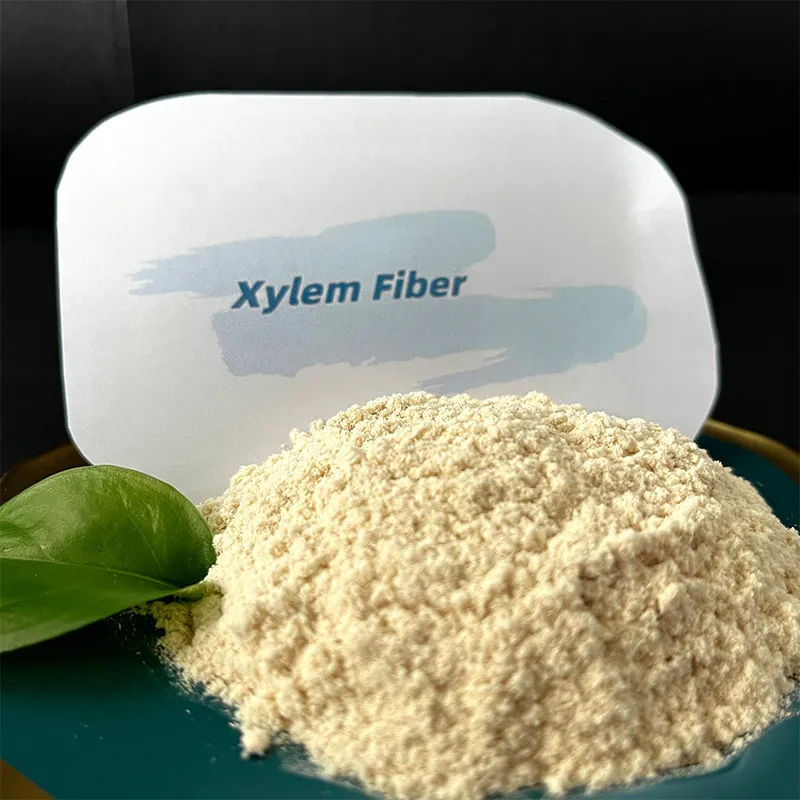 almirol_eter_china
Oct . 25, 2025
The construction industry is continuously evolving, with new innovations and materials that help imp -
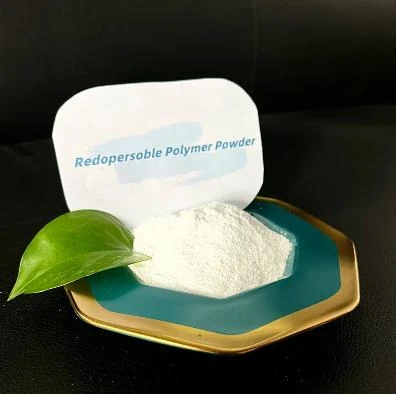 starch_ether
Oct . 25, 2025
Exploring the Intricacies and Applications of HPMC Coating HPMC, or Hydroxypropyl Methylcellulose, c - vae_powder
Oct . 25, 2025
Unlocking the Benefits of Purchasing HPMC A Comprehensive Guide Hydroxypropyl Methylcellulose (HPMC)


